
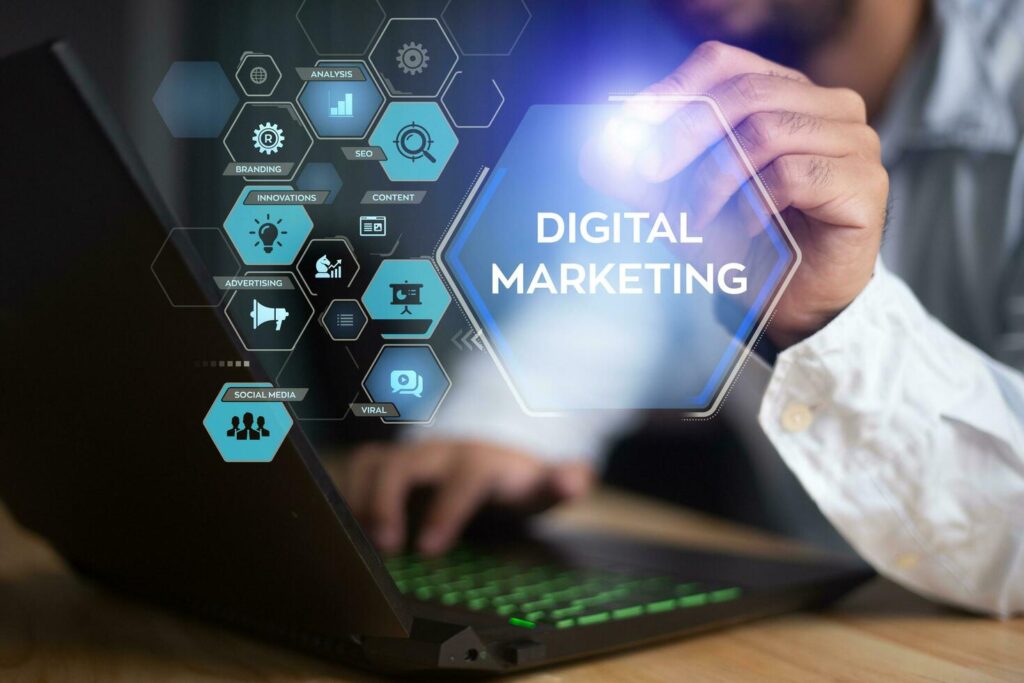
Digital Marketing: The Smartest Way to Grow Your Business in 2026
In today’s competitive online world, digital marketing has become one of the most effective ways for businesses to attract customers, increase brand awareness, and generate long-term revenue. Whether you own a startup, local business, or established company, a well-planned digital marketing strategy helps you reach the right audience at the right time.
With billions of people using search engines, social media platforms, and mobile devices every day, businesses that invest in digital marketing gain a significant advantage over those relying only on traditional advertising.
What Is Digital Marketing?
Digital marketing is the process of promoting products or services through online channels such as search engines, websites, social media, email, and paid advertising. Its primary goal is to connect businesses with potential customers where they spend most of their time—online.
Unlike traditional marketing, digital marketing allows businesses to measure performance, optimize campaigns in real time, and achieve better returns on investment.

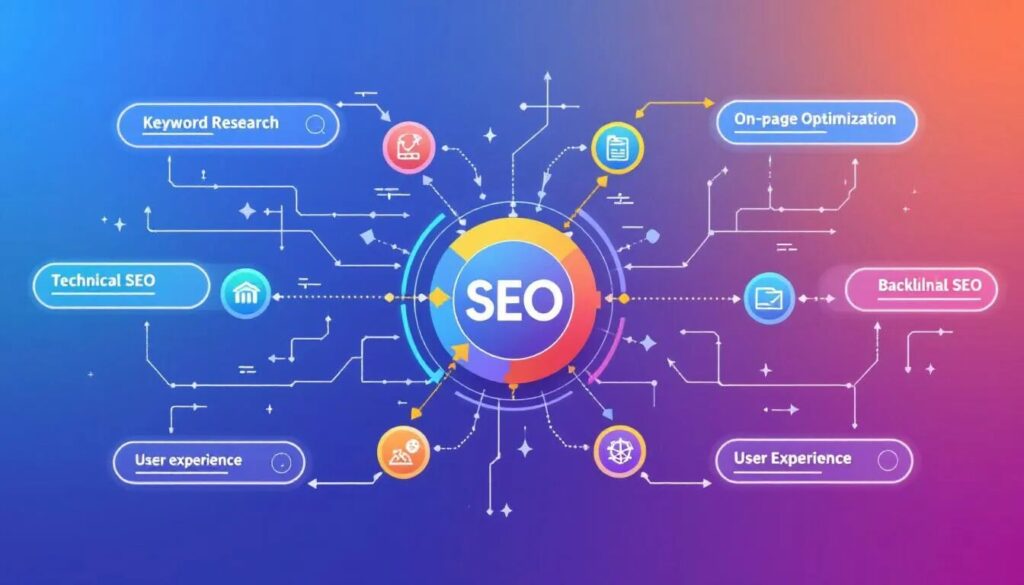
SEO and Its Importance: Why Search Engine Optimization Is Essential for Business Growth in 2026
In today’s digital-first world, having a website is only the first step. The real challenge is ensuring potential customers can find your business online. This is where Search Engine Optimization (SEO) becomes essential. SEO helps websites rank higher on search engines like Google, increasing visibility, attracting qualified visitors, and driving long-term business growth.
Whether you run a local business, an e-commerce store, or a service-based company, investing in SEO can provide sustainable results that continue to generate traffic and leads long after your content is published.
What Is SEO?
Search Engine Optimization (SEO) is the process of improving a website’s visibility in organic (non-paid) search engine results. It involves optimizing website content, technical performance, user experience, and authority so that search engines understand and recommend your pages to users.
The primary goal of SEO is to help your website appear when people search for products, services, or information related to your business.
Why Is SEO Important?
Millions of searches are performed every day, and most users click on results that appear on the first page of Google. If your website isn’t ranking well, your potential customers are likely finding your competitors instead.
SEO helps businesses:
Increase organic website traffic
Reach customers actively searching for products or services
Build trust and credibility
Generate qualified leads
Improve user experience
Reduce long-term marketing costs
Achieve sustainable business growth
Unlike paid advertising, SEO continues delivering value over time, making it one of the most cost-effective digital marketing strategies.
Benefits of SEO
1. Increases Website Visibility
Higher search rankings make your business easier to discover. Greater visibility leads to increased website traffic and more opportunities to convert visitors into customers.
2. Builds Trust and Credibility
Users often trust websites that rank highly in search results. Publishing accurate, helpful, and well-structured content while maintaining a secure and fast website strengthens your brand’s credibility.
3. Generates High-Quality Leads
SEO targets users who are actively searching for solutions. This means visitors arriving through search engines are often more likely to become customers.
4. Improves User Experience
Modern SEO focuses on creating a better experience for visitors through:
Fast loading pages
Mobile-friendly design
Easy navigation
Helpful content
Secure HTTPS connections
A positive user experience benefits both visitors and search engine rankings.
5. Delivers Long-Term Results
While paid advertising stops generating traffic when your budget ends, SEO continues to attract visitors through well-optimized content that ranks over time.
Types of SEO
On-Page SEO
On-page SEO improves individual pages by optimizing:
Title tags
Meta descriptions
Headings
Keywords
Internal links
Images
Content quality
URL structure
Off-Page SEO
Off-page SEO builds your website’s authority through:
High-quality backlinks
Brand mentions
Digital PR
Social media engagement
Online reputation management
Technical SEO
Technical SEO ensures search engines can effectively crawl and index your website by improving:
Website speed
Core Web Vitals
XML sitemaps
Robots.txt
Mobile responsiveness
Structured data (Schema Markup)
Secure HTTPS
Local SEO
Local SEO helps businesses appear in location-based searches such as “digital marketing agency near me.”
It includes:
Google Business Profile optimization
Local citations
Customer reviews
Location pages
Local keyword optimization
Important SEO Ranking Factors
Search engines evaluate many factors, including:
High-quality, original content
Search intent satisfaction
Website speed
Mobile usability
Backlink quality
Internal linking
User engagement
Technical performance
Secure website (HTTPS)
Content freshness
A balanced approach across these factors improves your chances of achieving strong rankings.
Common SEO Mistakes
Avoid these mistakes that can limit your website’s performance:
Keyword stuffing
Duplicate content
Slow website speed
Poor mobile optimization
Broken links
Missing meta titles and descriptions
Ignoring technical SEO
Publishing low-quality content
Neglecting internal linking
Regular SEO audits help identify and resolve these issues.
SEO Best Practices for 2026
To stay competitive, businesses should:
Focus on helpful, people-first content
Optimize for search intent
Improve Core Web Vitals
Use structured data where appropriate
Keep content updated
Build authoritative backlinks
Strengthen topical authority
Optimize for voice and conversational search
Monitor performance with analytics tools
Measuring SEO Success
Track these key performance indicators (KPIs):
Organic traffic
Keyword rankings
Click-through rate (CTR)
Conversion rate
Bounce rate
Average session duration
Backlink growth
Indexed pages
Lead generation
Return on investment (ROI)
Reviewing these metrics regularly helps you refine your SEO strategy.
Conclusion
SEO is one of the most valuable long-term investments a business can make. It helps increase visibility, attract qualified traffic, build trust, and generate consistent leads without relying solely on paid advertising.
By combining high-quality content, technical optimization, and a user-focused experience, businesses can achieve sustainable growth and remain competitive in an ever-changing digital landscape. As search engines continue to evolve, companies that prioritize SEO and deliver genuine value to their audiences will be best positioned for long-term success.
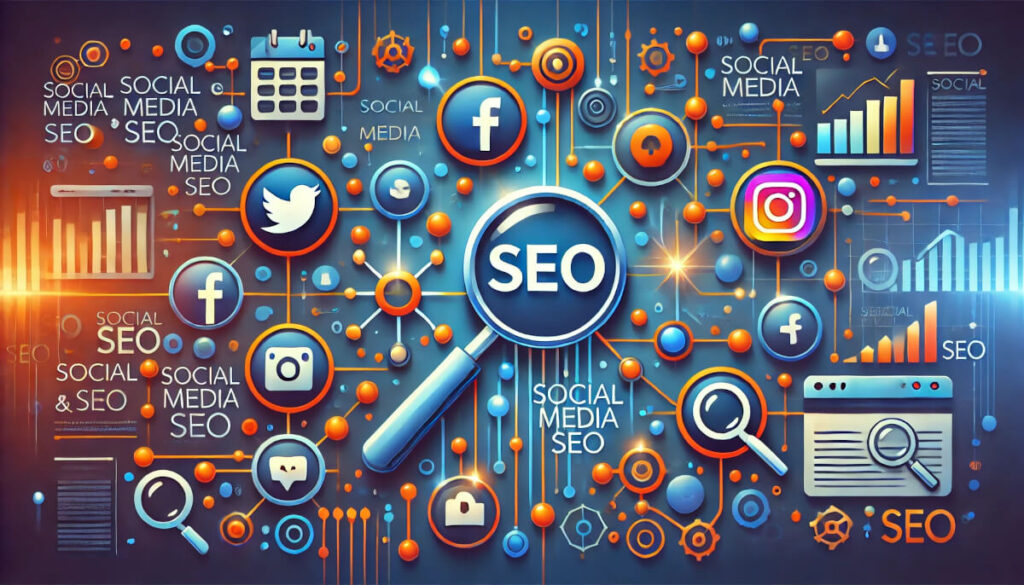
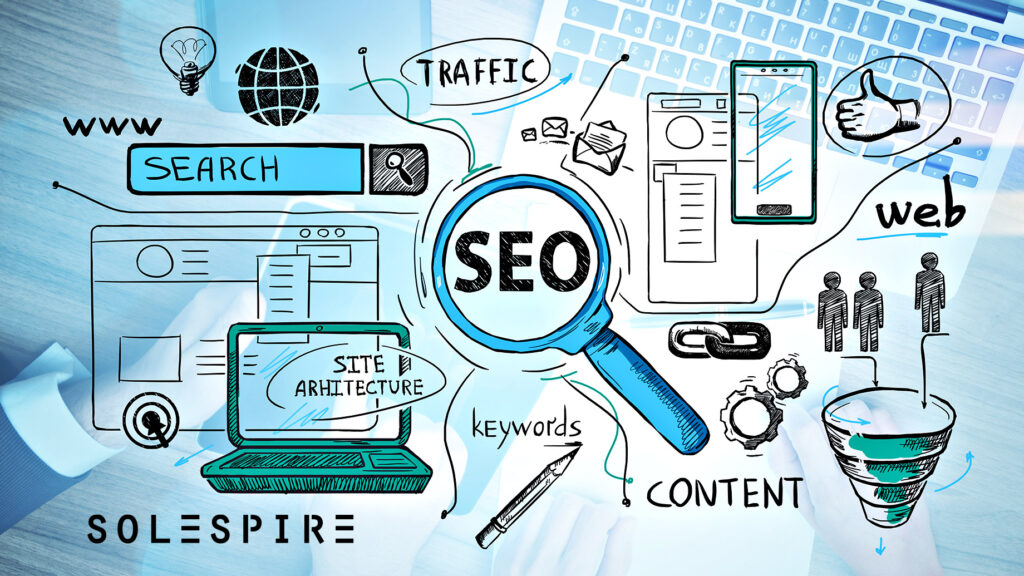
Benefits of SEO for Business Growth
1. Builds Brand Awareness
When your website appears in Google search results for relevant keywords, more people become familiar with your brand. Even if visitors do not convert immediately, repeated visibility increases trust and recognition.
2. Generates High-Quality Leads
SEO targets users who are actively searching for your products or services. This means visitors coming from search engines are often more interested and more likely to become paying customers.
3. Creates Long-Term Marketing Value
High-quality SEO content continues attracting visitors for months or even years. Instead of paying for every click, you invest in content that keeps working over time.
4. Builds Trust and Credibility
A fast, secure, and informative website with helpful content signals professionalism to both users and search engines. Businesses that consistently provide valuable information are more likely to earn customer confidence.
5. Increases Local Visibility
For businesses serving specific locations, Local SEO helps attract nearby customers by optimizing location pages, maintaining accurate business information, and encouraging customer reviews.
Essential SEO Strategies for New Businesses
Perform Keyword Research
Start by identifying the words and phrases your target audience uses when searching online.
Focus on:
- Long-tail keywords
- Local keywords
- Service-based keywords
- Problem-solving keywords
Choosing relevant keywords helps you create content that matches user intent.
Create High-Quality Content
Content remains one of the strongest ranking factors.
Publish:
- Educational blog posts
- Service pages
- Frequently Asked Questions
- Case studies
- Industry guides
- Customer success stories
Helpful content demonstrates expertise and keeps visitors engaged.
Optimize On-Page SEO
Every page should include:
- A unique title tag
- A compelling meta description
- Clear headings (H1, H2, H3)
- Internal links
- Optimized images with descriptive alt text
- Clean URLs
- Naturally placed keywords
These elements help search engines understand your content and improve click-through rates.
Improve Technical SEO
Technical performance affects both user experience and rankings.
Ensure your website has:
- Fast loading speeds
- Mobile-friendly design
- HTTPS security
- XML sitemap
- Proper indexing
- Structured data where appropriate
- No broken links
A technically sound website makes it easier for search engines to crawl and index your pages.
Focus on Local SEO
If you serve customers in a specific area:
- Create and optimize your Google Business Profile
- Use location-specific keywords
- Encourage genuine customer reviews
- Maintain consistent business information across directories
- Build local backlinks
Local SEO helps your business appear in map results and location-based searches.
Common SEO Mistakes New Businesses Should Avoid
Many startups make avoidable mistakes that limit their online growth:
- Publishing thin or duplicate content
- Ignoring keyword research
- Using keyword stuffing
- Neglecting mobile optimization
- Forgetting internal linking
- Creating slow-loading pages
- Failing to monitor SEO performance
- Expecting instant rankings
SEO is a long-term investment that rewards consistency.
How SEO Supports Business Growth
A successful SEO strategy helps businesses:
- Increase website traffic
- Generate qualified leads
- Improve conversion rates
- Strengthen brand authority
- Reduce dependence on paid advertising
- Build customer trust
- Achieve sustainable long-term growth
As your content library expands and your website gains authority, your ability to attract organic traffic also increases.
Measuring SEO Success
Track these key metrics to evaluate your progress:
- Organic traffic
- Keyword rankings
- Click-through rate (CTR)
- Conversion rate
- Bounce rate
- Average engagement time
- Leads generated
- Local search visibility
- Return on investment (ROI)
Regular analysis allows you to identify opportunities and refine your strategy.
SEO is one of the smartest investments a new business can make. By focusing on helpful content, technical optimization, keyword research, and a great user experience, businesses can improve search visibility, attract qualified customers, and achieve sustainable growth.
Success with SEO does not happen overnight, but consistent effort produces lasting results. Businesses that invest in ethical, user-focused SEO are better positioned to build trust, compete effectively, and grow in an increasingly digital marketplace.
Why Facebook Ads Are Important
People spend hours every day on Facebook and Instagram. This gives businesses an excellent opportunity to reach potential customers where they already spend their time.
Facebook Ads help businesses:
- Increase brand awareness
- Reach highly targeted audiences
- Generate quality leads
- Drive website traffic
- Increase online sales
- Promote local businesses
- Retarget previous website visitors
- Improve return on advertising investment
Benefits of Facebook Ads
1. Advanced Audience Targeting
Facebook Ads allow businesses to target audiences based on:
- Age
- Gender
- Location
- Language
- Interests
- Behaviors
- Job titles
- Education
- Purchase habits
This precision helps businesses reach people who are most likely to become customers.
2. Cost-Effective Advertising
Businesses can start advertising with almost any budget. Campaigns can be scaled as results improve, making Facebook Ads suitable for both small businesses and large enterprises.
3. Multiple Ad Formats
Facebook offers several ad formats, including:
- Image Ads
- Video Ads
- Carousel Ads
- Collection Ads
- Reels Ads
- Stories Ads
- Lead Generation Ads
- Messenger Ads
Each format supports different marketing goals and customer journeys.
4. Powerful Analytics
Meta Ads Manager provides detailed performance insights, including:
- Reach
- Impressions
- Clicks
- Cost per Click (CPC)
- Cost per Lead (CPL)
- Conversion Rate
- Return on Ad Spend (ROAS)
These metrics help businesses optimize campaigns for better results.
Types of Facebook Ad Campaign Objectives
Businesses can choose campaign objectives such as:
- Brand Awareness
- Reach
- Traffic
- Engagement
- Video Views
- Lead Generation
- App Promotion
- Sales
- Website Conversions
Selecting the right objective ensures your campaign is optimized for the desired outcome.
Best Practices for Successful Facebook Ads
To maximize performance:
- Define clear campaign goals.
- Understand your target audience.
- Use high-quality images and videos.
- Write compelling ad copy with a clear call to action.
- Install the Meta Pixel (or Conversions API) to track important actions.
- Test multiple creatives and audiences (A/B testing).
- Optimize campaigns based on performance data.
- Refresh creatives regularly to reduce ad fatigue.
Common Facebook Advertising Mistakes
Avoid these common errors:
- Targeting an audience that is too broad.
- Using low-quality visuals.
- Ignoring mobile optimization.
- Not testing different ad variations.
- Failing to track conversions.
- Sending traffic to slow or poorly designed landing pages.
- Stopping campaigns before enough data is collected.
Measuring Success
Track these key metrics:
- Click-Through Rate (CTR)
- Cost per Click (CPC)
- Cost per Lead (CPL)
- Conversion Rate
- Return on Ad Spend (ROAS)
- Customer Acquisition Cost (CAC)
- Frequency
- Engagement Rate
Review these metrics regularly to improve campaign performance and profitability.
Conclusion
Facebook Ads continue to be one of the most effective digital advertising platforms for businesses of all sizes. With advanced audience targeting, flexible budgets, multiple ad formats, and detailed analytics, businesses can generate leads, increase sales, and build lasting customer relationships.
Success with Facebook Ads depends on understanding your audience, creating engaging ad creatives, testing different strategies, and continuously optimizing campaigns. Businesses that combine Facebook Ads with strong landing pages, quality content, and data-driven decision-making can achieve sustainable growth in 2026 and beyond.
Google Ads: The Complete Guide to Growing Your Business with Google Advertising in 2026
Introduction
In today’s highly competitive digital landscape, businesses need fast and effective ways to reach customers who are actively searching for their products or services. Google Ads is one of the most powerful online advertising platforms, allowing businesses to appear at the top of Google Search results, YouTube, Gmail, Google Maps, and millions of partner websites.
Whether you are a startup, local business, eCommerce store, or enterprise, Google Ads helps you generate targeted traffic, quality leads, and higher sales while giving you complete control over your advertising budget.
What Is Google Ads?
Google Ads is Google’s online advertising platform where businesses bid on keywords to display ads across Google’s network. Advertisers only pay when someone clicks on their ad (Pay-Per-Click or PPC), making it a cost-effective way to reach potential customers.
Google Ads supports various campaign types, allowing businesses to choose the best format for their marketing goals.
Why Google Ads Is Important
Google processes billions of searches every day. Most users search with a clear intention to find information, compare products, or make a purchase. Google Ads enables businesses to appear in front of these high-intent customers at the right moment.
Google Ads helps businesses:
Increase website traffic
Generate high-quality leads
Improve online sales
Build brand awareness
Reach local and global audiences
Promote products and services instantly
Measure campaign performance accurately
Achieve faster business growth
Benefits of Google Ads
1. Reach Customers with High Purchase Intent
Unlike many advertising platforms, Google Ads targets users who are actively searching for products or services. This often leads to higher conversion rates and better return on investment.
2. Fast Results
SEO is a long-term strategy, while Google Ads can start driving traffic and leads shortly after your campaign launches. It is ideal for businesses looking for immediate visibility.
3. Flexible Budget Control
Google Ads allows businesses to:
Set daily budgets
Adjust bids
Pause campaigns anytime
Scale successful campaigns
This flexibility makes it suitable for businesses of all sizes.
4. Advanced Audience Targeting
Businesses can target users based on:
Keywords
Location
Language
Device
Demographics
Interests
Previous website visitors (Remarketing)
Customer intent
This ensures your ads are shown to the most relevant audience.
Types of Google Ads Campaigns
Google Ads offers several campaign types:
Search Campaigns
Text ads that appear on Google Search results when users search for relevant keywords.
Display Campaigns
Image and responsive ads shown across millions of websites in the Google Display Network.
Shopping Campaigns
Product-focused ads that display images, prices, and store information for eCommerce businesses.
Video Campaigns
Video advertisements shown on YouTube and other Google video partners.
Performance Max Campaigns
AI-powered campaigns that optimize ads across all Google channels from a single campaign.
Demand Gen Campaigns
Visual campaigns designed to reach users across YouTube, Discover, and Gmail with engaging creative assets.
Best Practices for Successful Google Ads
To improve campaign performance:
Conduct detailed keyword research.
Group related keywords into focused ad groups.
Write compelling ad headlines and descriptions.
Use relevant landing pages.
Add ad assets such as sitelinks, callouts, and call extensions.
Monitor Quality Score.
Test different ad variations.
Optimize bids based on conversion data.
Track conversions using Google Ads and analytics tools.
Common Google Ads Mistakes
Avoid these common errors:
Targeting overly broad keywords.
Ignoring negative keywords.
Sending traffic to irrelevant landing pages.
Not tracking conversions.
Writing weak ad copy.
Failing to optimize campaigns regularly.
Ignoring mobile users.
Running campaigns without clear goals.
Measuring Google Ads Success
Monitor these key performance indicators (KPIs):
Click-Through Rate (CTR)
Cost per Click (CPC)
Conversion Rate
Cost per Acquisition (CPA)
Return on Ad Spend (ROAS)
Quality Score
Impression Share
Total Conversions
Regular optimization based on these metrics improves campaign efficiency and profitability.
Google Ads vs SEO
| Google Ads | SEO |
|---|---|
| Delivers immediate traffic | Builds long-term organic traffic |
| Requires advertising budget | No cost per click |
| Results stop when campaigns end | Results can continue over time |
| Ideal for promotions and quick lead generation | Ideal for sustainable business growth |
The best digital marketing strategy often combines both Google Ads and SEO to maximize visibility and results.
Conclusion
Google Ads is one of the most effective digital advertising platforms for businesses that want to reach customers at the exact moment they are searching online. With advanced targeting, flexible budgets, detailed analytics, and multiple campaign types, businesses can generate qualified leads, increase sales, and accelerate growth.
When combined with a strong website, optimized landing pages, and a long-term SEO strategy, Google Ads becomes a powerful tool for driving measurable business success in 2026 and beyond.
Social Media Marketing: The Complete Guide to Growing Your Business in 2026
Introduction
In today’s digital world, customers spend a significant amount of their time on social media platforms. Whether they are discovering new brands, researching products, or interacting with businesses, social media has become an essential part of the customer journey. Social Media Marketing (SMM) enables businesses to connect with their audience, build trust, increase brand awareness, and drive measurable business growth.
From startups and local businesses to global brands, social media marketing provides a cost-effective way to reach potential customers, generate leads, and build long-term relationships. With the right strategy, businesses can turn followers into loyal customers and advocates.
What Is Social Media Marketing?
Social Media Marketing (SMM) is the process of using social media platforms to promote products, services, or brands. It involves creating valuable content, engaging with audiences, running paid advertising campaigns, and analyzing performance to achieve business objectives.
Popular social media platforms include:
Facebook
Instagram
LinkedIn
X (formerly Twitter)
YouTube
Pinterest
Snapchat
Threads
Each platform serves different audiences and marketing goals, making it important to choose the right channels for your business.
Why Social Media Marketing Is Important
Consumers expect businesses to have an active social media presence. A consistent and engaging strategy helps brands stay visible, build credibility, and communicate directly with customers.
Social media marketing helps businesses:
Increase brand awareness
Reach targeted audiences
Generate quality leads
Drive website traffic
Improve customer engagement
Increase sales and conversions
Build customer loyalty
Strengthen brand reputation
Benefits of Social Media Marketing
1. Increases Brand Awareness
Regular posting and audience engagement help introduce your brand to new customers and keep your business visible to existing followers.
2. Generates High-Quality Leads
Social media platforms allow businesses to target users based on demographics, interests, behaviors, and locations, helping attract people who are most likely to become customers.
3. Builds Customer Trust
Sharing educational content, customer testimonials, behind-the-scenes updates, and success stories demonstrates expertise and creates stronger relationships with your audience.
4. Cost-Effective Marketing
Compared to many traditional advertising methods, social media marketing offers affordable ways to reach large audiences. Both organic content and paid campaigns can deliver strong returns when managed effectively.
5. Increases Website Traffic
Well-crafted social media posts encourage users to visit your website, explore your products or services, and complete desired actions such as making a purchase or submitting an inquiry.
Popular Social Media Marketing Strategies
Content Marketing
Create valuable and engaging content, including:
Educational posts
Infographics
Videos
Reels
Case studies
Blog promotions
Customer testimonials
Community Engagement
Respond to comments, messages, and reviews promptly. Active engagement builds trust and encourages long-term customer relationships.
Paid Social Advertising
Run targeted advertising campaigns to:
Generate leads
Increase website traffic
Promote products
Build brand awareness
Drive online sales
Influencer Marketing
Collaborate with trusted creators and industry experts to expand your reach and increase credibility with new audiences.
Best Practices for Social Media Marketing
For better results:
Set clear marketing goals.
Understand your target audience.
Create a consistent posting schedule.
Use high-quality images and videos.
Write engaging captions with clear calls to action.
Monitor analytics regularly.
Respond to customer interactions promptly.
Test different content formats and optimize based on performance.
Common Social Media Marketing Mistakes
Avoid these common mistakes:
Posting inconsistently
Ignoring audience engagement
Using poor-quality visuals
Promoting products without providing value
Not analyzing campaign performance
Posting the same content on every platform without adapting it
Ignoring current trends and platform updates
Measuring Social Media Success
Track these key performance indicators (KPIs):
Reach
Impressions
Engagement Rate
Follower Growth
Website Traffic
Click-Through Rate (CTR)
Lead Generation
Conversion Rate
Return on Ad Spend (ROAS)
Regular analysis helps refine your strategy and improve long-term performance.
Social Media Marketing Trends in 2026
Businesses should pay attention to these trends:
Short-form video content
AI-assisted content creation
Social commerce and in-app shopping
Personalized customer experiences
Community-driven marketing
Creator collaborations
Employee advocacy
Data-driven campaign optimization
Adapting to these trends helps businesses remain competitive in a rapidly changing digital landscape.
Conclusion
Social Media Marketing is one of the most effective ways to build brand awareness, connect with customers, and drive business growth in 2026. By combining valuable content, audience engagement, strategic advertising, and performance analysis, businesses can create a strong online presence and achieve measurable results.
The key to long-term success is understanding your audience, delivering consistent value, and continuously optimizing your strategy based on data. Businesses that invest in a well-planned social media marketing strategy will be better positioned to increase visibility, generate leads, and build lasting customer relationships.
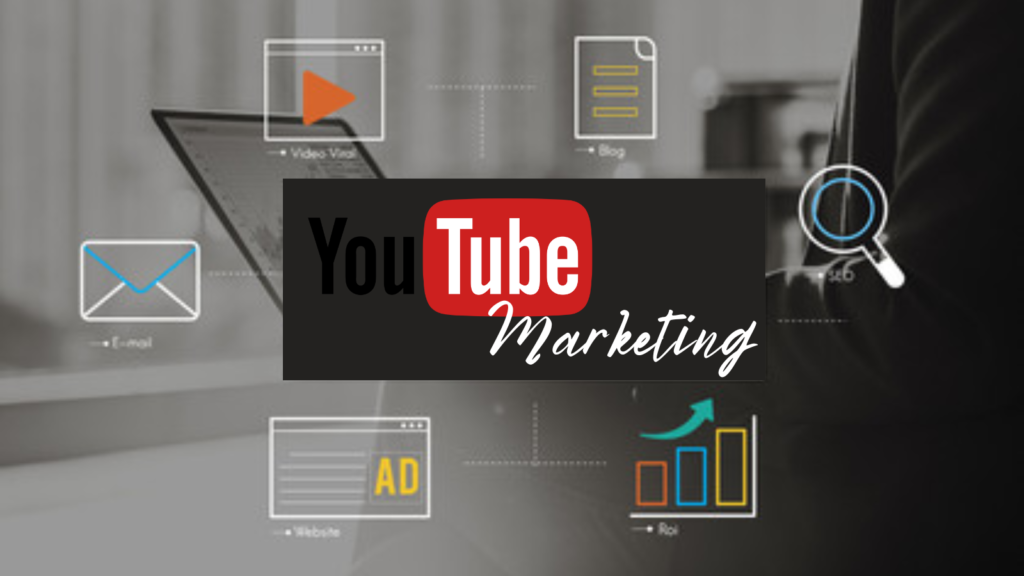
YouTube Ads: The Complete Guide to Growing Your Business with Video Advertising in 2026
Introduction
Video content has become one of the most influential forms of digital marketing, and YouTube Ads offer businesses an effective way to connect with potential customers through engaging video campaigns. As one of the world’s largest video platforms, YouTube reaches billions of users every month, making it an ideal channel for increasing brand awareness, generating leads, and driving sales.
Whether you’re a startup, local business, eCommerce store, or established brand, YouTube Ads help you reach the right audience with targeted video advertising that delivers measurable results.
What Are YouTube Ads?
YouTube Ads are paid video advertisements managed through Google Ads. Businesses can display ads before, during, or after YouTube videos, as well as in YouTube search results and across Google’s video partner network.
These ads help businesses promote products, services, events, apps, and brand messages to highly targeted audiences.
Why YouTube Ads Are Important
Consumers spend hours watching videos every day to learn, compare products, and make purchasing decisions. YouTube Ads allow businesses to reach these users at every stage of the customer journey.
YouTube Ads help businesses:
Increase brand awareness
Reach highly targeted audiences
Generate qualified leads
Drive website traffic
Increase online sales
Promote products and services
Improve customer engagement
Build long-term brand recognition
Benefits of YouTube Ads
1. Massive Audience Reach
YouTube has billions of monthly users, allowing businesses to connect with customers across different industries, age groups, and locations.
2. Advanced Audience Targeting
Businesses can target viewers based on:
Keywords
Demographics
Location
Language
Interests
Custom audiences
In-market audiences
Remarketing lists
This ensures your ads are shown to people who are most likely to engage with your business.
3. Cost-Effective Advertising
With flexible bidding options and budget controls, YouTube Ads can be effective for businesses of all sizes. Many campaigns only incur costs when users actively engage with the ad, depending on the campaign type.
4. Strong Brand Engagement
Video combines visuals, sound, and storytelling, making it one of the most engaging ways to communicate your brand message and build customer trust.
Types of YouTube Ads
Skippable In-Stream Ads
These ads appear before, during, or after videos and can usually be skipped after a few seconds. They are suitable for increasing awareness, website traffic, and conversions.
Non-Skippable In-Stream Ads
Short ads that viewers must watch before continuing to their selected video. They are commonly used for broad brand awareness campaigns.
In-Feed Video Ads
These ads appear in YouTube search results, the home feed, and related video recommendations, encouraging users to choose to watch your content.
Bumper Ads
Short, non-skippable video ads designed to deliver quick and memorable brand messages.
YouTube Shorts Ads
Vertical video ads displayed between YouTube Shorts, helping businesses reach audiences who consume short-form video content.
Best Practices for Successful YouTube Ads
To improve campaign performance:
Define clear campaign objectives.
Create engaging videos that capture attention quickly.
Deliver your key message within the first few seconds.
Include a strong call to action (CTA).
Target the right audience.
Use high-quality visuals and audio.
Optimize your landing pages.
Test different video creatives and audiences.
Monitor performance and refine campaigns regularly.
Common YouTube Advertising Mistakes
Avoid these common mistakes:
Making videos too long without a clear purpose.
Weak opening that fails to capture attention.
Targeting the wrong audience.
Poor video or audio quality.
Missing or unclear calls to action.
Not tracking conversions.
Failing to optimize campaigns based on data.
Measuring YouTube Ads Success
Monitor these key performance indicators (KPIs):
Video Views
View Rate
Click-Through Rate (CTR)
Cost Per View (CPV)
Conversion Rate
Watch Time
Audience Retention
Return on Ad Spend (ROAS)
Regular analysis helps improve campaign effectiveness and maximize return on investment.
YouTube Ads vs Traditional Advertising
| YouTube Ads | Traditional Advertising |
|---|---|
| Precise audience targeting | Broad audience targeting |
| Flexible budgets | Higher advertising costs |
| Detailed performance analytics | Limited measurable insights |
| Easy campaign optimization | Difficult to adjust once launched |
| Interactive and measurable | Limited interaction |
For many businesses, YouTube Ads provide greater flexibility, accountability, and measurable results than traditional advertising channels.
Conclusion
YouTube Ads have become an essential part of modern digital marketing. With advanced targeting, engaging video formats, flexible budgets, and detailed performance tracking, businesses can effectively reach new customers, strengthen brand awareness, and increase sales.
The most successful YouTube advertising campaigns focus on creating valuable video content, understanding the target audience, and continuously optimizing performance based on data. Businesses that integrate YouTube Ads into their overall digital marketing strategy can build stronger customer relationships and achieve sustainable growth in 2026 and beyond.
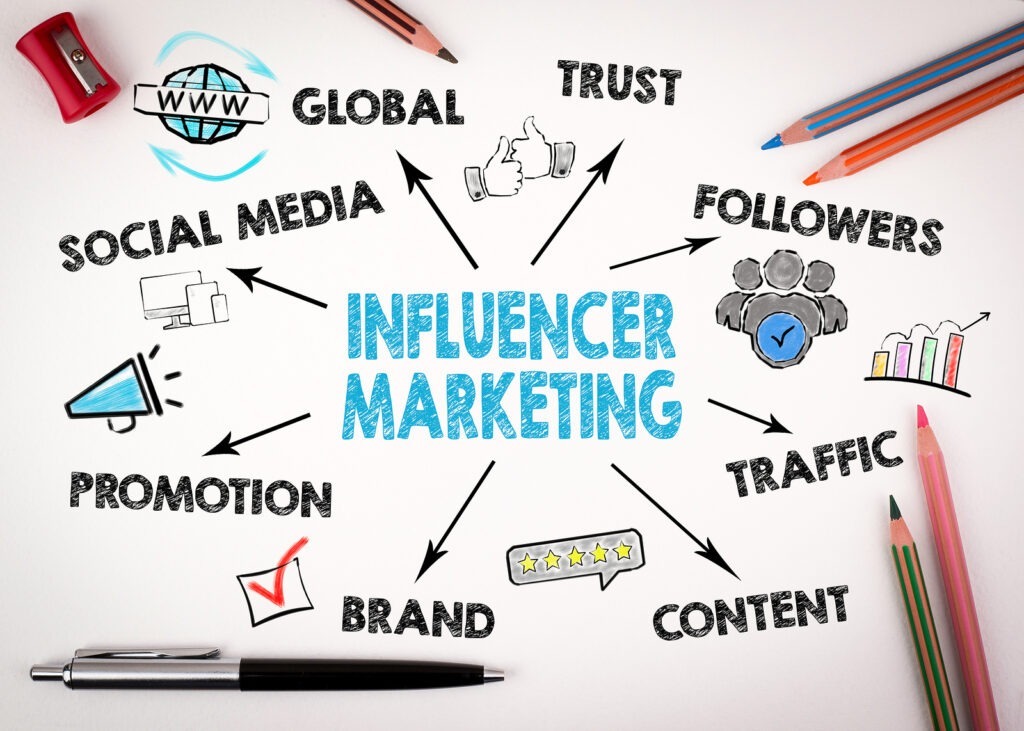
Influencer Marketing in 2026: The Complete Guide to Growing Your Business with Pengia Media
Introduction
In today’s digital-first world, customers trust people more than traditional advertisements. Before purchasing a product or service, they often look for recommendations from creators, industry experts, and social media influencers. This shift has made influencer marketing one of the most effective digital marketing strategies for businesses of every size.
Whether you’re a startup, local business, eCommerce brand, or established company, influencer marketing can help you increase brand awareness, build trust, generate qualified leads, and boost sales.
At Pengia Media, we create data-driven influencer marketing campaigns that connect brands with the right creators to achieve measurable business growth.
What is Influencer Marketing?
Influencer marketing is a digital marketing strategy where businesses collaborate with social media creators, bloggers, YouTubers, Instagram influencers, LinkedIn experts, or industry professionals to promote products or services to their audience.
Unlike traditional advertising, influencer marketing feels more authentic because recommendations come from trusted individuals who have already built strong relationships with their followers.
Consumers today value real experiences over promotional advertisements, making influencer partnerships an essential part of modern marketing.
Why Influencer Marketing Matters in 2026
Digital marketing continues to evolve, but trust remains the most valuable currency online.
Today’s customers:
Research brands before purchasing.
Read reviews and testimonials.
Watch product demonstrations.
Follow creator recommendations.
Compare multiple options before making decisions.
Influencers help businesses bridge the gap between brand messaging and customer trust.
Businesses using influencer marketing often experience:
Increased brand visibility
Higher engagement rates
Better customer trust
More website traffic
Improved lead generation
Increased online sales
Stronger brand authority
Types of Influencers
Choosing the right influencer is more important than choosing the biggest one.
Nano Influencers (1K–10K Followers)
Nano influencers have highly engaged communities and are excellent for local businesses and niche brands.
Best for:
Local businesses
Restaurants
Fitness coaches
Beauty salons
Small online stores
Micro Influencers (10K–100K Followers)
Micro influencers usually have excellent engagement and loyal audiences.
Best for:
Growing brands
Startups
Fashion brands
Health products
SaaS companies
Macro Influencers (100K–1 Million Followers)
Macro influencers provide broader exposure and are ideal for large campaigns.
Best for:
National campaigns
Product launches
Brand awareness
Corporate marketing
Mega Influencers (1M+ Followers)
Mega influencers include celebrities and internet personalities with massive reach.
Best for:
Global campaigns
Premium brands
Product launches
Large-scale awareness campaigns
Benefits of Influencer Marketing
1. Builds Brand Trust
People trust recommendations from creators they follow more than traditional advertisements.
Authentic product experiences increase customer confidence and improve purchasing decisions.
2. Reaches the Right Audience
Influencers have niche audiences based on interests such as:
Fashion
Beauty
Technology
Fitness
Education
Travel
Food
Finance
Real Estate
Healthcare
Your marketing budget is spent reaching people who are genuinely interested in your products or services.
3. Improves Brand Awareness
Every collaboration introduces your business to new potential customers.
Consistent influencer campaigns help keep your brand visible across social media platforms.
4. Generates High-Quality Content
Influencers create engaging content including:
Reels
Short videos
Tutorials
Product reviews
Stories
Unboxing videos
Live sessions
Brands can often reuse this user-generated content across their own marketing channels, subject to the agreed usage rights.
5. Boosts Website Traffic
When influencers recommend your website, followers are more likely to visit and explore your products or services.
This can increase qualified traffic and improve conversion opportunities.
6. Increases Sales
Authentic recommendations often lead to higher conversion rates compared to standard advertising because customers already trust the influencer’s opinion.
Best Platforms for Influencer Marketing
Perfect for:
Fashion
Beauty
Lifestyle
Food
Fitness
Travel
Luxury brands
Popular formats include Reels, Stories, carousels, and collaborative posts.
YouTube
Ideal for:
Product reviews
Tutorials
Technology
Education
Long-form storytelling
YouTube videos can continue generating traffic long after they’re published.
TikTok
Excellent for:
Viral campaigns
Brand awareness
Product demonstrations
Entertainment
Gen Z audiences
Best for:
B2B businesses
Professional services
SaaS companies
Corporate branding
Industry leadership
Useful for:
Local businesses
Community engagement
Events
Small businesses
How Pengia Media Creates Successful Influencer Campaigns
At Pengia Media, we follow a strategic process to ensure every campaign delivers measurable results.
Business Analysis
We understand your goals, target audience, competitors, and marketing objectives.
Influencer Research
We identify creators whose audience aligns with your ideal customers.
Campaign Planning
We develop campaign concepts, messaging, timelines, and content strategies that match your brand voice.
Content Review
We work with creators to ensure content is authentic, accurate, and aligned with your brand guidelines while allowing room for their own creative style.
Campaign Launch
Content is published across agreed platforms at the optimal time.
Performance Tracking
We monitor campaign performance using key metrics including:
Reach
Impressions
Engagement
Clicks
Website traffic
Leads
Sales
Return on investment (ROI)
Common Influencer Marketing Mistakes
Avoid these common pitfalls:
Choosing influencers based only on follower count.
Ignoring audience relevance.
Working without clear campaign goals.
Failing to define content expectations and disclosure requirements.
Not tracking campaign performance.
Prioritizing one-off promotions over long-term creator relationships.
A strategic approach delivers better long-term results than focusing only on vanity metrics.
Why Choose Pengia Media?
At Pengia Media, we believe influencer marketing is about building genuine connections between brands and audiences—not simply paying for promotions.
Our team helps businesses:
Find the right influencers.
Develop creative campaigns.
Manage collaborations professionally.
Track measurable performance.
Optimize campaigns for better ROI.
Build long-term brand credibility.
Whether you’re launching a new product, growing your online presence, or expanding into new markets, we create influencer marketing strategies tailored to your business goals.
Final Thoughts
Influencer marketing has become one of the most effective ways to build trust, reach targeted audiences, and drive meaningful business growth in 2026. Success comes from partnering with creators whose audiences align with your brand and measuring results against clear objectives.
If you’re ready to expand your reach, generate quality leads, and increase sales through authentic creator partnerships, Pengia Media is here to help. Our customized influencer marketing strategies are designed to deliver measurable results and support sustainable growth for your business.